
Post
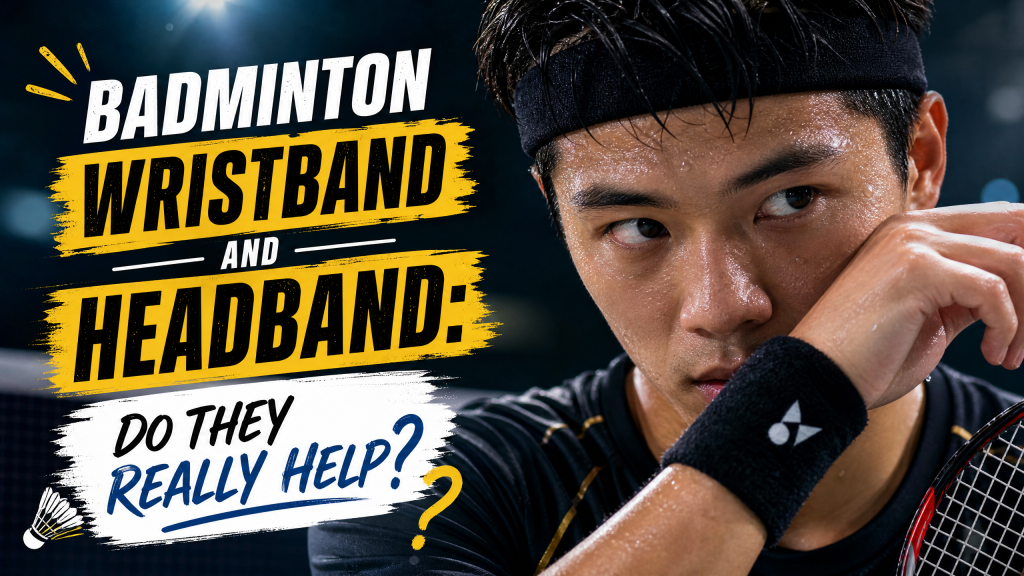
Badminton Wristband and Headband: Do They Really Help?
May
Managing Sweat for Better Badminton Performance
Badminton is an intense, fast-paced sport that pushes the body through constant movement, explosive footwork, and rapid direction changes. During long rallies and demanding matches, sweating becomes unavoidable. While most players focus heavily on rackets, shoes, and strings, many underestimate how much sweat management affects performance.
Sweaty palms make the racket slippery, forcing players to grip tighter and reducing wrist flexibility. Sweat dripping into the eyes causes irritation, blurred vision, and distraction during critical points. Fortunately, simple accessories such as wristbands and headbands can significantly improve comfort and consistency on court.
This guide explains how wristbands and headbands work, the best materials to choose, whether they genuinely improve performance, and how to use them effectively for badminton.
Why Sweat Management Matters in Badminton
Sweating is the body’s natural cooling system, but excessive moisture creates several performance problems during badminton play.
Common issues include:
- Slippery racket handles
- Reduced grip control
- Forearm fatigue
- Sweat stinging the eyes
- Blurred vision
- Increased distractions
- Faster overgrip deterioration
Badminton requires precise finger control and relaxed wrist movement. When palms become wet, players instinctively squeeze the racket harder to prevent slipping. This tighter grip reduces racket acceleration and wrist snap, both essential for power and deception.
In addition, sweat running into the eyes interrupts concentration during rallies. Even a split-second distraction can cost a point.
Managing sweat properly allows players to:
- Maintain relaxed grip pressure
- Improve shot consistency
- Reduce hand fatigue
- Stay focused longer
- Feel more comfortable during long sessions
Small accessories can therefore make a surprisingly large difference.
Wristbands: Purpose and Benefits
Wristbands are among the simplest and most effective badminton accessories.
They are typically worn just above the wrist on the lower forearm and serve two main purposes:
- Absorbing sweat before it reaches the hands
- Providing a quick surface to wipe sweat from the face
During badminton, sweat travels down the arms naturally due to gravity. Wristbands act as barriers that absorb moisture before it reaches the racket handle.
Benefits of wristbands include:
- Better racket grip
- Reduced slipping
- Less need for grip powder
- Improved comfort
- Faster sweat removal during rallies
Many professional badminton players wear wristbands because they help maintain a loose and controlled grip throughout matches.
Wristband Materials Explained
Not all wristbands perform equally. Material quality strongly affects absorption, comfort, and durability.
Cotton Terry Cloth
Traditional terry cloth wristbands remain the most popular option.
Advantages:
- Excellent sweat absorption
- Soft feel
- Comfortable against skin
- Affordable
Disadvantages:
- Become heavy when saturated
- Dry slowly
- Can feel warm in hot environments
Cotton terry works well for most club players and recreational use.
Microfiber Wristbands
Microfiber blends usually contain polyester and nylon fibers.
Advantages:
- Lightweight
- Faster drying
- Better for humid courts
- Less bulky
Disadvantages:
- Slightly lower absorption
- May feel less soft
Microfiber wristbands are popular among competitive players who train in hot environments.
Bamboo Charcoal Fabrics
Some premium wristbands use bamboo charcoal materials for odor resistance and moisture control.
Advantages:
- Anti-bacterial
- Reduced odor
- Comfortable texture
Disadvantages:
- Higher price
- Limited availability
For most players, cotton or microfiber options are more practical.
Choosing the Right Wristband Size
Badminton wristbands are usually:
- 8–10 cm long
- 7–8 cm wide
Longer wristbands absorb more sweat but may feel restrictive. Very thick bands can also interfere with wrist mobility during fast racket movements.
Ideal badminton wristbands should:
- Fit snugly without cutting circulation
- Stay in place during movement
- Allow full wrist flexibility
Avoid cheap single-layer wristbands because they saturate quickly and lose effectiveness.
Some premium models include silicone grip strips inside the cuff to reduce slipping during intense play.
Headbands: Keeping Sweat Out of Your Eyes
While wristbands protect the hands, headbands focus on forehead sweat control.
Sweat dripping into the eyes creates:
- Burning sensation from salt
- Blurred vision
- Disrupted focus
- Frequent wiping
Headbands absorb sweat across the forehead before it reaches the eyes.
Many badminton players underestimate how distracting forehead sweat can become during long sessions or tournaments.
Types of Headbands
Traditional Terry Cloth Headbands
These circular elastic bands wrap fully around the forehead.
Advantages:
- Good absorption
- Soft feel
- Affordable
Disadvantages:
- Can slip during play
- Retain heat
- Become heavy when wet
Technical Moisture-Wicking Headbands
Modern “tech” headbands use polyester-spandex blends designed for moisture evaporation.
Advantages:
- Lightweight
- Cooler feel
- Faster drying
- Better breathability
Disadvantages:
- Slightly less absorbent
- More expensive
These are excellent for players in warm, humid badminton halls.
Tubular Buff-Style Headbands
Buff-style tubular bands are multifunctional and can be worn several ways.
Advantages:
- Adjustable fit
- Stay secure
- Versatile usage
Disadvantages:
- Warmer than thin bands
- Can feel bulky
Some players also use visors instead of headbands because visors provide sweat protection without covering the entire forehead.
Do Wristbands and Headbands Actually Improve Performance?
Yes — when used correctly.
Scientific studies on grip friction show that sweaty hands reduce surface friction between the palm and the racket handle. To compensate, players increase grip force unconsciously.
This tighter grip creates:
- Faster forearm fatigue
- Reduced wrist mobility
- Less shot power
- Slower racket switching
Badminton relies heavily on relaxed hand mechanics. A loose grip generates faster racket acceleration than a tense grip.
Wristbands help preserve this relaxed grip style by keeping moisture away from the hands.
Headbands improve visual comfort by preventing salty sweat from entering the eyes.
The result:
- Better consistency
- Reduced distraction
- Improved comfort
- Better endurance during long sessions
This is why many elite badminton athletes wear wristbands regularly.
How Many Wristbands Should You Wear?
Most players only need:
- One wristband on the racket hand
- One headband if necessary
Some players wear:
- Two wristbands for symmetry
- One extra wristband for wiping sweat
- Dual wristbands in extreme heat
Wristbands should sit just above the wrist bone. Wearing them too high reduces effectiveness.
Avoid oversized bands that interfere with grip changes or wrist movement.
Alternatives to Wristbands and Headbands
Some players combine additional sweat-management tools.
Popular alternatives include:
Grip Powder
Absorbs hand moisture and improves tackiness.
Liquid Chalk
Common among players with very sweaty palms.
Antiperspirant Lotions
Products like Gamer Grip chemically reduce sweating.
Court Towels
Players wipe hands and face between rallies.
Wrist Towels
Mini towels attached to shorts or waistbands.
For severe sweating conditions (hyperhidrosis), medical treatments may also help.
However, for most badminton players, a combination of:
- Wristbands
- Headbands
- Towel
- Good overgrip
is already highly effective.
Best Wristband and Headband Brands
Several badminton and sports brands produce reliable sweat-management accessories.
Yonex
Excellent badminton-specific terry wristbands with strong durability.
Victor
Popular among club players for comfortable fit and absorption.
Li-Ning
Offers lightweight microfiber options with modern designs.
Nike Dri-FIT
Excellent moisture-wicking headbands and sports bands.
Adidas Climalite
Comfortable and breathable for hot conditions.
Generic low-cost packs may seem attractive, but quality often varies significantly.
Care and Maintenance Tips
Sweat accessories collect bacteria quickly, so proper cleaning is essential.
Recommended care:
- Wash after every use
- Use cold water
- Mild detergent only
- Avoid fabric softener
- Air dry or tumble low
Fabric softeners reduce absorbency by coating fibers.
Replace wristbands every:
- 3–6 months for regular players
- Earlier if elasticity weakens
Do not share wristbands or headbands for hygiene reasons.
Having multiple pairs allows proper rotation and drying between sessions.
DIY Sweat Management Solutions
Some players improvise using:
- Cut sock cuffs
- Folded towels
- Handkerchiefs
While functional in emergencies, these solutions are less comfortable and less durable than proper sports accessories.
Given that quality wristbands cost relatively little, dedicated products provide much better value long term.
Combining Sweat Accessories for Maximum Effect
For players who sweat heavily, the best setup often includes multiple solutions working together:
- Tacky overgrip
- Wristband
- Headband
- Court towel
- Grip powder if necessary
This layered approach maintains dry hands and better control even during intense matches.
Conclusion
Managing sweat may seem like a small detail, but it directly affects badminton performance, comfort, and consistency. Slippery hands reduce racket control, while sweat in the eyes distracts concentration during critical moments.
Wristbands and headbands are inexpensive accessories that genuinely help players maintain better grip, clearer vision, and improved comfort on court. Whether you are a beginner or a competitive player, investing in proper sweat-management gear is worthwhile.
For most badminton players, starting with:
- One quality wristband
- One moisture-wicking headband
- A good towel
is already enough to notice a meaningful improvement during play.
Sometimes the simplest accessories provide the biggest performance gains.
