
Post
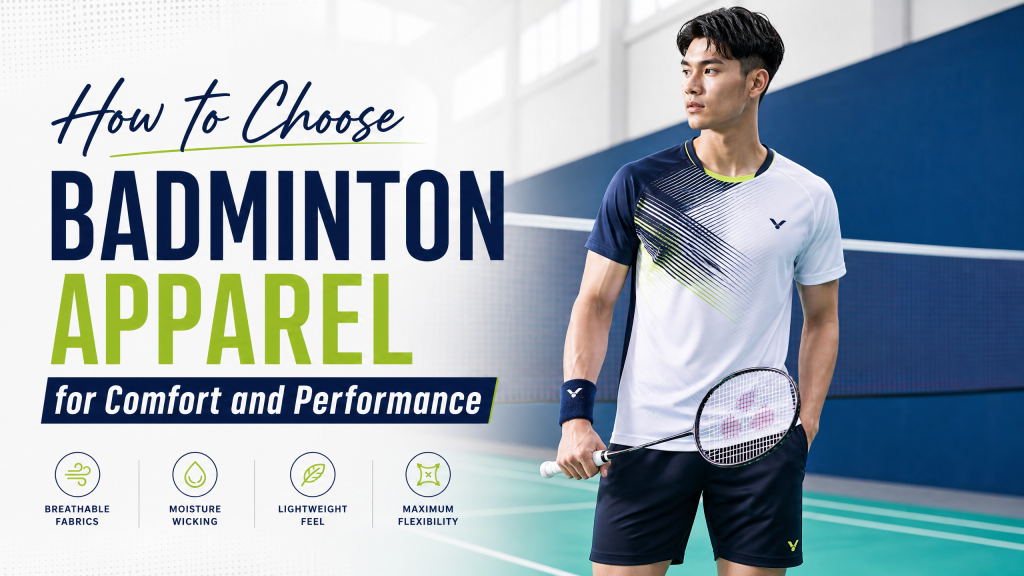
How to Choose Badminton Apparel for Comfort and Performance
May
Beyond Looks: The Science Behind Badminton Clothing
Many badminton players focus heavily on rackets, strings, and shoes while overlooking one crucial part of performance: clothing.
What you wear on court directly affects:
- Comfort
- Mobility
- Temperature regulation
- Sweat management
- Muscle support
- Skin irritation
- Overall endurance
Badminton is an explosive sport involving:
- Rapid directional changes
- Lunges
- Jump smashes
- Continuous arm movement
- Heavy sweating
Regular gym clothing or casual sportswear often cannot handle these demands effectively.
Modern badminton apparel is specifically engineered to:
- Wick moisture away from the skin
- Improve airflow
- Reduce friction
- Stretch with movement
- Keep body temperature stable
This guide explains the science behind badminton clothing and how to choose the right apparel for better comfort and performance.
Why Proper Badminton Clothing Matters
Badminton involves repeated bursts of high-intensity movement.
During a single match, players may:
- Accelerate and decelerate hundreds of times
- Sweat heavily
- Twist dynamically
- Perform deep lunges
- Jump repeatedly
Poor clothing can lead to:
- Overheating
- Chafing
- Restricted movement
- Skin irritation
- Excess fatigue
Proper apparel helps maintain:
- Comfort
- Mobility
- Concentration
- Consistent performance
Even recreational players notice the difference once they switch from ordinary cotton clothing to technical badminton apparel.
The Problem with Cotton
One of the biggest mistakes beginners make is wearing cotton shirts.
Cotton absorbs sweat instead of transporting it away from the body.
Once soaked, cotton becomes:
- Heavy
- Sticky
- Slow-drying
This causes:
- Discomfort
- Chafing
- Heat retention
- Reduced mobility
A wet cotton shirt can feel dramatically heavier after a long session.
Technical synthetic fabrics solve this problem much more effectively.
Shirt Materials: What You Should Look For
Most badminton shirts use:
- Polyester
- Polyester-spandex blends
These materials are lightweight, durable, and moisture-resistant.
Moisture-Wicking Technology
Modern badminton jerseys use moisture-wicking fabric technology.
The purpose is to:
- Pull sweat away from the skin
- Spread moisture across the fabric surface
- Allow faster evaporation
This keeps the player:
- Cooler
- Drier
- More comfortable
Moisture-wicking also reduces the sticky feeling common with cotton shirts.
Quick-Drying Fabrics
Quick-drying fabrics are especially important during:
- Long training sessions
- Tournaments
- Hot weather
- Humid environments
Fast evaporation helps regulate body temperature and prevents clothing from becoming waterlogged.
Ventilation Panels
Many high-quality badminton shirts include:
- Mesh ventilation zones
Usually located:
- Under the arms
- Along the back
- Around the shoulders
These panels improve airflow and reduce overheating.
For players who sweat heavily, ventilation can significantly improve comfort.
Fit: Loose vs Tight
The ideal fit depends partly on personal preference.
Loose-Fit Shirts
Advantages:
- Better airflow
- Cooler feel
- More relaxed comfort
Disadvantages:
- Fabric movement during play
- Slightly more drag
- Less streamlined feel
Many club players prefer regular or slightly loose fits.
Compression or Tight-Fit Shirts
Advantages:
- Reduced fabric movement
- Muscle support sensation
- Cleaner aerodynamic feel
Disadvantages:
- Less breathable
- Can feel restrictive
- May trap heat
Most professional players use a fitted but not extremely tight style.
Flat Seams and Chafing Prevention
High-quality badminton shirts use:
- Flatlock seams
These reduce skin friction during repetitive movement.
Thick seams can cause:
- Shoulder irritation
- Underarm chafing
- Neck discomfort
Especially during long tournaments.
Tagless labels also improve comfort by eliminating neck irritation.
Anti-Microbial Treatments
Many premium shirts include anti-bacterial or anti-odor treatment.
These technologies help:
- Reduce odor buildup
- Slow bacterial growth
- Keep apparel fresher longer
This is especially useful for players training multiple times weekly.
Badminton Shorts: Mobility Comes First
Badminton requires unrestricted lower-body movement.
Players constantly:
- Lunge
- Squat
- Jump
- Split-step
- Recover explosively
Shorts must support all these movements comfortably.
Ideal Shorts Length
Most badminton shorts end:
- 2–4 inches above the knee
This length balances:
- Freedom of movement
- Coverage
- Comfort
Very long shorts may restrict lunging mechanics.
Recommended Inseam
Typical inseam:
- 4–6 inches
This range provides:
- Excellent mobility
- Lightweight feel
- Minimal restriction
Stretch Fabric Importance
Good badminton shorts include:
- Stretchable polyester blends
Stretch panels improve:
- Deep lunges
- Side movement
- Squat flexibility
Rigid fabric limits movement efficiency.
Waistband Design
A thick waistband may feel uncomfortable during long sessions.
Better shorts use:
- Flexible elastic waistbands
- Minimal bulk construction
This reduces pressure around the hips and stomach.
Pockets: Useful or Not?
Some players like pockets for:
- Spare shuttlecocks
- Tissues
- Keys
Others dislike them because:
- Items bounce during movement
- Extra material adds bulk
Zippered pockets are safer if included.
Women’s Badminton Apparel
Women’s badminton clothing is designed for:
- Mobility
- Coverage
- Comfort
Popular options include:
- Skorts (skirts with integrated shorts)
- Compression capris
- Lightweight athletic skirts
Integrated shorts improve:
- Confidence
- Stability
- Practicality during lunges
Sports Bra Support
Badminton involves repeated jumping and directional changes.
A proper sports bra should provide:
- Medium-to-high support
- Moisture management
- Wide straps
- Breathable construction
Poor support causes discomfort and distraction during play.
Compression Wear: Useful or Overrated?
Compression clothing remains popular in badminton.
This includes:
- Compression shirts
- Compression shorts
- Leg sleeves
- Arm sleeves
Claimed Benefits of Compression Wear
Manufacturers claim compression helps:
- Improve blood circulation
- Reduce muscle vibration
- Improve recovery
- Decrease fatigue
Scientific evidence is mixed, but many players report subjective benefits.
When Compression Wear Helps Most
Compression clothing is especially useful:
- During tournaments
- In cold halls
- For recovery sessions
- During long training days
It also helps some players feel:
- More stable
- Better supported
- More warmed up
Avoid Overly Tight Compression
Compression should never restrict movement or breathing.
Excessively tight clothing may:
- Reduce circulation
- Trap heat
- Limit flexibility
Comfort remains the priority.
Socks: More Important Than Most Players Think
Badminton-specific socks are heavily underrated.
Good socks improve:
- Cushioning
- Stability
- Moisture control
- Blister prevention
Features of Good Badminton Socks
Look for:
- Reinforced heel cushioning
- Toe padding
- Arch compression
- Moisture-wicking fibers
Avoid Cheap Cotton Socks
100% cotton socks:
- Trap sweat
- Increase friction
- Cause blisters
Blended fabrics work far better.
Double-Layer Socks
Some badminton socks use:
- Dual-layer construction
Benefits include:
- Reduced skin friction
- Better blister prevention
These are especially useful for tournament players.
Headbands, Caps, and Sweat Control
Sweat entering the eyes can seriously affect concentration.
Popular sweat-management accessories include:
- Headbands
- Wristbands
- Visors
- Lightweight caps
Visors vs Caps
Visors:
- Cooler
- Better ventilation
- Less heat retention
Caps:
- Better sweat absorption
- More sun protection outdoors
For indoor badminton, many players prefer visors or headbands.
Wristbands Matter Too
Wristbands prevent sweat from traveling down the arms to the hands.
This improves:
- Grip stability
- Racket control
Especially for players with sweaty palms.
Layering for Cold Courts
Some badminton halls become cold during winter.
Proper layering helps maintain:
- Muscle warmth
- Flexibility
- Comfort
Recommended Cold-Weather Setup
A common layering system:
- Thermal base layer
- Lightweight badminton shirt
- Warm-up jacket before play
Players often remove outer layers after warming up.
Avoid Bulky Clothing
Heavy hoodies or thick jackets restrict:
- Shoulder rotation
- Swing mechanics
- Footwork
Always prioritize mobility.
Clothing Color Considerations
Professional tournaments sometimes require:
- Non-conflicting shirt colors
especially regarding shuttle visibility.
For recreational play:
- Any color is generally acceptable
Bright colors may improve confidence and visibility on court.
Caring for Technical Badminton Clothing
Proper maintenance extends apparel lifespan significantly.
Washing Instructions
Best practices:
- Machine wash cold
- Gentle cycle
- Mild detergent
Avoid:
- Fabric softeners
- Bleach
- High heat drying
Why Fabric Softener Is Bad
Fabric softeners clog moisture-wicking fibers.
This reduces:
- Breathability
- Sweat transport
- Drying efficiency
Drying Tips
Air drying is ideal.
High heat damages:
- Elastic fibers
- Spandex
- Compression materials
Low heat tumble drying is acceptable if necessary.
Removing Persistent Odor
For stubborn odor:
- Add white vinegar during rinse cycle
This helps remove bacteria buildup without damaging fabric.
When to Replace Badminton Apparel
Replace clothing when:
- Fabric loses elasticity
- Odor remains permanently
- Seams unravel
- Moisture-wicking performance declines
Regular players often replace shirts every:
- 1–2 years
depending on usage frequency.
Budget vs Premium Clothing
Expensive clothing is not always necessary.
Entry-Level Apparel
Budget brands provide solid value for beginners.
Usually:
- Functional
- Comfortable
- Affordable
Good enough for most casual players.
Mid-Range Apparel
This category often provides the best balance between:
- Quality
- Comfort
- Price
Most club players should aim here.
Premium Apparel
High-end shirts and shorts may include:
- Better ventilation
- Lighter materials
- Superior seam construction
- Advanced moisture management
Serious tournament players benefit most.
Popular Badminton Clothing Brands
Top badminton apparel brands include:
- Yonex
- Victor
- Li-Ning
- Mizuno
- FZ Forza
Each offers:
- Technical fabrics
- Court-specific cuts
- Moisture management technologies
Final Thoughts
Badminton clothing is not just about appearance.
The right apparel improves:
- Comfort
- Mobility
- Temperature control
- Confidence
- Endurance
For most players, a good setup includes:
- 2–3 moisture-wicking shirts
- Flexible badminton shorts
- Proper socks
- Sweat management accessories
Avoid:
- Cotton shirts
- Heavy fabrics
- Restrictive fits
- Poor-quality seams
Comfort directly affects performance. When your clothing disappears from your awareness during play, that’s when you know it’s working properly.
