
Post
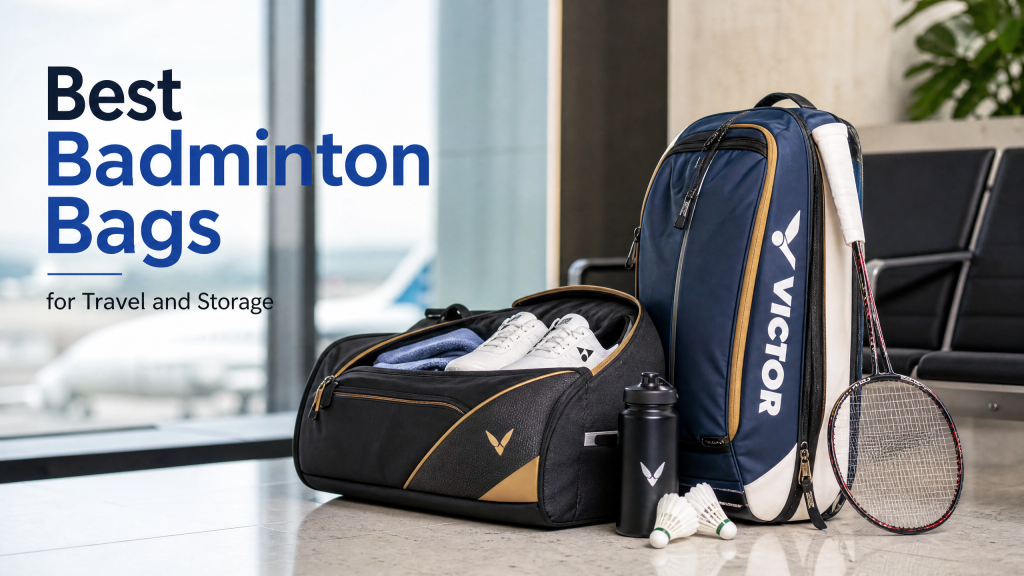
Best Badminton Bags for Travel and Storage
May
Choosing the Right Badminton Bag: Protection, Organization, and Convenience
Many badminton players spend hundreds of dollars on rackets, shoes, strings, and accessories — yet still carry everything in a cheap generic backpack with little protection. That’s a mistake.
A proper badminton bag is more than just storage. It protects your equipment from:
- Heat
- Moisture
- Impact damage
- Dirt
- String wear
- Frame warping
It also helps organize your gear efficiently so you can:
- Find items quickly
- Separate clean and dirty equipment
- Transport rackets safely
- Travel comfortably
Whether you are a casual weekend player or a serious tournament competitor, choosing the right bag improves convenience and extends the lifespan of your equipment.
This guide covers:
- Types of badminton bags
- Key features to look for
- Thermal protection
- Capacity recommendations
- Brand comparisons
- Packing tips
- Maintenance advice
By the end, you’ll know exactly what type of badminton bag fits your needs.
Why a Proper Badminton Bag Matters
Badminton rackets are sensitive pieces of equipment.
Modern graphite frames can be damaged by:
- Excessive heat
- Sudden impact
- Pressure stress
- Moisture exposure
Strings also lose tension faster when exposed to:
- Temperature fluctuations
- Humidity
- Dirt
A dedicated badminton bag helps maintain:
- Racket performance
- String tension consistency
- Overall equipment lifespan
It also makes your playing experience more organized and professional.
Main Types of Badminton Bags
Badminton bags generally fall into four major categories:
- Backpacks
- Rectangular racket bags
- Sling bags
- Wheeled tournament bags
Each has advantages depending on how often and how seriously you play.
Backpack-Style Badminton Bags
Backpacks are the most versatile option for recreational and club players.
Typical capacity:
- 2–4 rackets
Most modern badminton backpacks include:
- Shoe compartments
- Accessory pockets
- Water bottle holders
- Laptop sleeves
- Small thermal sections
Advantages of Backpacks
Backpacks are ideal if you:
- Walk to the hall
- Ride a bike
- Use public transport
- Prefer hands-free carrying
They are also:
- More compact
- Easier to store
- More comfortable for commuting
Disadvantages of Backpacks
Compared with larger racket bags:
- Less storage capacity
- Less thermal protection
- Limited compartment separation
Advanced players carrying many rackets may quickly outgrow them.
Rectangular Racket Bags
These are the classic professional-style badminton bags.
Capacity:
- Usually 6–12 rackets
They are commonly used by:
- Competitive club players
- Tournament players
- Coaches
Features of Racket Bags
Most rectangular racket bags include:
- Multiple large compartments
- Thermal lining
- Separate shoe storage
- Wet clothing sections
- Internal racket dividers
These bags offer the best protection for expensive equipment.
Advantages of Racket Bags
They provide:
- Maximum organization
- Excellent racket protection
- Better tournament preparation
- Larger storage volume
You can easily carry:
- Multiple rackets
- Shoes
- Clothes
- Towels
- Shuttle tubes
- Medical supplies
Downsides of Large Racket Bags
Large bags can become:
- Heavy
- Bulky
- Awkward on public transport
Overpacking is also common.
Many players carry far more gear than necessary simply because the bag has space.
Sling Bags
Sling bags are minimalist options designed for:
- 1–2 rackets
They sit diagonally across the back.
Benefits of Sling Bags
Advantages include:
- Lightweight design
- Fast access
- Compact size
- Stylish appearance
They are popular for:
- Casual sessions
- Quick practice trips
Limitations of Sling Bags
Protection is usually weaker.
Most sling bags lack:
- Proper thermal lining
- Large compartments
- Shoe separation
They are not ideal for serious competitive players.
Wheeled Tournament Bags
Wheeled bags are designed for:
- Coaches
- Tournament competitors
- Professional players
These bags can carry:
- 10+ rackets
- Multiple shoes
- Large clothing loads
Why Most Players Don’t Need Wheeled Bags
Although impressive-looking, wheeled bags are:
- Heavy
- Expensive
- Difficult to transport daily
Unless you travel frequently for tournaments, a normal racket bag is usually more practical.
Important Features to Look For
Not all badminton bags are equally well designed.
Several features significantly improve functionality and protection.
Thermal Insulation
One of the most important premium features is:
- Thermal lining
Usually made from:
- Aluminized reflective material
This protects rackets from excessive heat.
Why Heat Protection Matters
High temperatures soften the resin inside graphite rackets.
This may cause:
- Reduced stiffness
- Frame weakening
- String tension loss
- Warping over time
This is especially important in hot climates or when leaving bags in cars.
Is Thermal Protection Necessary?
Thermal protection is highly recommended if:
- You live in hot weather
- You transport rackets by car
- Your equipment is expensive
For indoor-only players storing bags at home:
- Standard lining may be sufficient
Water-Resistant Materials
A good badminton bag should use durable water-resistant fabric.
Look for:
- Polyester 600D or higher
This helps protect equipment from:
- Rain
- Sweat
- Moisture damage
Cheap thin fabrics wear out quickly and offer poor protection.
Shoe Compartments
Separate shoe compartments are extremely useful.
Benefits include:
- Isolating dirt
- Reducing odor transfer
- Protecting clean clothes
Some premium bags include:
- Ventilated shoe sections
which improve airflow and reduce moisture buildup.
Ventilation Features
Badminton gear gets sweaty quickly.
Ventilation grommets or mesh sections help:
- Reduce smell
- Prevent mold
- Dry equipment faster
This is especially important in humid climates.
Zipper Quality
Zippers are often the first part of a bag to fail.
Avoid:
- Cheap plastic zippers
- Thin zipper tracks
Look for:
- Reinforced stitching
- Heavy-duty pulls
- Smooth zipper action
A broken zipper can make an otherwise good bag unusable.
Popular Badminton Bag Brands
Several major badminton brands produce excellent bags.
Yonex Bags
Popular models:
- Yonex Pro Series Backpack
Strengths:
- Excellent thermal protection
- Premium materials
- Strong durability
- Professional appearance
Weakness:
- Expensive
Victor Bags
Known for:
- Excellent durability
- Competitive pricing
- Good compartment layouts
The:
- Victor 6 Pack Racquet Bag
is highly popular among club players.
Li-Ning Bags
Li-Ning bags often emphasize:
- Stylish design
- Modern appearance
- Good organization
The:
- Li-Ning Tournament Backpack
offers solid value.
Apacs Bags
Excellent budget option.
The:
- Apacs Squad Backpack
is popular among:
- Students
- Beginners
- Casual players
Choosing the Right Bag Size
Your ideal bag depends on:
- Number of rackets
- Playing frequency
- Travel habits
Recommended Bag Sizes
1–2 Rackets
Best choice:
- Sling bag
- Small backpack
3–4 Rackets
Best choice:
- Medium badminton backpack
Most club players fit here.
5–8 Rackets
Best choice:
- Large rectangular racket bag
Ideal for tournaments.
9+ Rackets
Best choice:
- Jumbo or wheeled bag
Usually for coaches or serious competitors.
Packing Tips for Better Equipment Protection
Proper packing prevents unnecessary damage.
Racket Placement
Store rackets:
- Heads together
- Flat inside compartment
Use internal dividers when available.
Shoe Storage
Always isolate shoes:
- Separate compartment
- Plastic bag if needed
Dirty soles damage clothing and rackets over time.
Shuttle Tube Placement
Store shuttle tubes:
- Side compartments
- Upright when possible
Avoid crushing feather shuttles under heavy equipment.
Protecting Valuables
Phones, wallets, and keys should stay in:
- Waterproof inner pockets
Avoid placing hard objects directly against racket frames.
Travel Considerations
For air travel:
- Check airline carry-on dimensions
- Avoid overloading
Many large racket bags exceed overhead bin limits when fully packed.
Cleaning and Maintenance
A badminton bag requires occasional maintenance.
Weekly Maintenance
Recommended routine:
- Wipe exterior with damp cloth
- Shake out debris
- Air dry compartments
This prevents:
- Mold
- Odor
- Fabric breakdown
Deodorizing Tips
Use:
- Baking soda
- Charcoal deodorizer packs
inside shoe compartments.
Avoid storing sweaty clothing inside the bag long-term.
Zipper Maintenance
Apply:
- Silicone zipper lubricant
occasionally to maintain smooth operation.
When to Replace Your Bag
Typical lifespan:
- 2–4 years for regular players
Replace if:
- Zippers fail
- Padding collapses
- Thermal lining tears
- Fabric weakens significantly
Backpack vs Racket Bag: Which Should You Choose?
Choose a Backpack If:
- You commute frequently
- You carry ≤3 rackets
- You prefer compact gear
- You use public transport
Choose a Racket Bag If:
- You carry multiple rackets
- You compete regularly
- You want thermal protection
- You need maximum organization
Many advanced players eventually own both.
Bonus Features Worth Considering
Some premium bags include:
- Reflective strips
- USB charging ports
- Rain covers
- Hidden compartments
- Hanging hooks
- Name tags
- Waterproof sections
Useful features are good — gimmicks are not.
Focus on:
- Protection
- Comfort
- Durability
- Organization
before luxury extras.
Final Thoughts
A good badminton bag protects your investment, improves organization, and makes every training session more convenient.
The best bag is not necessarily the most expensive one — it’s the one that matches:
- Your playing frequency
- Your equipment load
- Your travel habits
- Your budget
For most club players:
- A quality badminton backpack is ideal.
For serious competitors:
- A thermal rectangular racket bag offers the best protection and storage.
Whatever you choose, remember:
your bag is not just storage — it’s part of your badminton equipment system.
