
Post
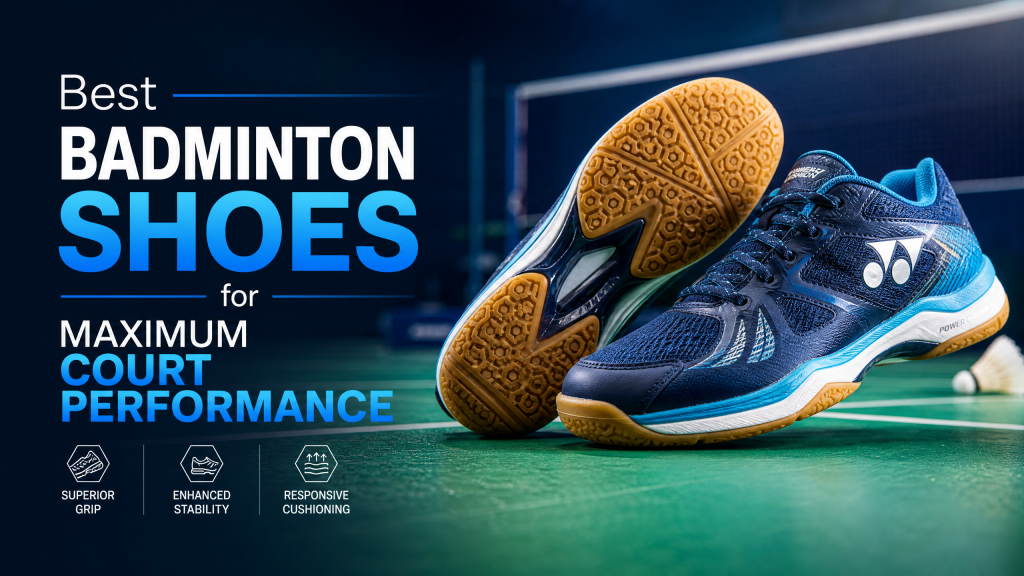
Best Badminton Shoes for Maximum Court Performance
May
Why Badminton Shoes Matter
Many badminton players spend hundreds of dollars on rackets while neglecting one of the most important pieces of equipment: shoes. In reality, badminton shoes affect performance, comfort, movement efficiency, and injury prevention just as much as a quality racket. Whether you are a beginner playing weekly social games or an advanced competitor training daily, the right shoes can dramatically improve your movement and reduce physical strain.
Badminton is an explosive sport that involves rapid acceleration, sudden stops, side lunges, jump smashes, and constant direction changes. Ordinary running shoes are designed for forward motion, not aggressive lateral movement. Using incorrect footwear increases the risk of ankle sprains, knee pain, shin splints, and plantar fasciitis. Proper badminton shoes are engineered specifically for indoor court movement, combining grip, stability, cushioning, and responsiveness.
This guide explains everything you need to know about badminton shoes, including essential features, sizing, cushioning, shoe recommendations, maintenance, and how to choose the perfect pair for your playing style.
Why Running Shoes Are a Bad Choice for Badminton
One of the biggest mistakes beginners make is wearing running shoes on the badminton court. Running shoes are optimized for straight-line forward movement with thick cushioned heels and elevated midsoles. While excellent for jogging, they are unstable for side-to-side badminton movement.
During badminton lunges and lateral pushes, running shoes can cause:
- Rolled ankles
- Poor court grip
- Slow recovery movement
- Knee instability
- Reduced balance
- Slower footwork
Badminton shoes, on the other hand, are designed with low-profile midsoles and reinforced lateral support. This keeps your foot stable during aggressive movement patterns.
The difference becomes obvious the moment you start changing direction quickly. Proper badminton shoes provide confidence, control, and responsiveness that regular athletic shoes cannot match.
Key Features of Quality Badminton Shoes
Gum Rubber Outsole
The outsole is the bottom part of the shoe that contacts the court. Good badminton shoes use gum rubber because it provides exceptional traction on indoor wooden and synthetic surfaces.
Benefits include:
- Strong grip during lunges
- Better stopping power
- Faster directional changes
- Reduced slipping
Most high-quality badminton shoes use herringbone or hexagonal tread patterns for multidirectional traction.
A non-marking outsole is also essential because badminton halls prohibit shoes that leave black marks on the floor.
Cushioning Technology
Badminton involves repeated jumping and landing. Every landing creates stress on the knees, ankles, and lower back.
Modern badminton shoes use specialized cushioning systems such as:
- Yonex Power Cushion+
- Gel cushioning from ASICS
- Mizuno Wave technology from Mizuno
These systems absorb impact energy and reduce stress on joints.
However, too much cushioning can reduce court feel. Players must balance comfort with responsiveness depending on their style and body weight.
Lateral Support
Unlike running, badminton requires aggressive sideways movement. Shoes need reinforced side support to prevent the foot from sliding over the sole during lunges.
Look for:
- TPU heel stabilizers
- Sidewall reinforcements
- Lateral claw plates
- Wide stable bases
Without proper support, ankle injuries become much more likely.
Breathable Upper Materials
Badminton is physically intense, and feet can become extremely hot during long sessions.
Modern badminton shoes use:
- Double-layer mesh
- Synthetic leather overlays
- Ventilation panels
Breathability improves comfort and reduces sweat buildup.
Understanding Cushioning vs. Court Feel
Badminton shoes generally exist on a spectrum between maximum cushioning and maximum responsiveness.
High-Cushion Shoes
Examples:
- Yonex Comfort Z3
- Yonex Eclipsion Z
Advantages:
- Excellent shock absorption
- Better for knee pain
- Ideal for heavier players
- Comfortable for long sessions
Disadvantages:
- Slightly heavier
- Less direct court feel
These are ideal for:
- Older players
- Players over 85kg
- Frequent jump smashers
- Players with previous injuries
Lightweight Speed Shoes
Examples:
- Yonex Aerus Z
- Victor P9200 TD
Advantages:
- Extremely fast movement
- Better responsiveness
- Excellent for doubles
Disadvantages:
- Less cushioning
- More impact stress
These suit:
- Fast doubles players
- Lightweight athletes
- Defensive counterattack styles
Balanced All-Round Shoes
Examples:
- Victor A970 Ace
- Asics Gel-Rocket 11
These combine decent cushioning and good agility, making them suitable for most club players.
Top Badminton Shoe Models Reviewed
Yonex Aerus Z
One of the lightest badminton shoes available.
Best for:
- Speed-focused doubles players
- Fast footwork
- Quick defensive movement
Pros:
- Extremely lightweight
- Excellent speed
- Breathable design
Cons:
- Less cushioning for heavy jumpers
Yonex Comfort Z3
Built for protection and shock absorption.
Best for:
- Players with knee pain
- Heavy players
- Frequent tournament players
Pros:
- Maximum cushioning
- Excellent comfort
- Joint protection
Cons:
- Slightly bulky
Victor A970 Ace
A highly respected all-round badminton shoe.
Pros:
- Durable outsole
- Stable support
- Comfortable fit
- Good for wide feet
Ideal for players wanting balance between speed and comfort.
ASICS Gel-Rocket 11
One of the best beginner-value shoes available.
Pros:
- Affordable
- Reliable grip
- Comfortable cushioning
Cons:
- Less premium support features
Perfect for:
- Beginners
- Casual players
- Budget-conscious athletes
How to Size Badminton Shoes Correctly
Sizing mistakes are extremely common.
A shoe should:
- Have about 0.5 cm space at the front
- Hold the heel firmly
- Feel secure during lunges
- Allow toe movement without sliding
Always try shoes with your actual socks.
Some players require half a size larger than casual sneakers because shoes include reinforced toe protection.
Never choose overly tight shoes expecting them to “break in” significantly. Modern synthetic uppers stretch very little.
Indoor vs. Outdoor Use
shoes are designed specifically for indoor courts.
Never:
- Wear them outdoors regularly
- Walk on concrete extensively
- Use dirty shoes on wooden courts
Outdoor surfaces destroy gum rubber grip quickly.
Serious players often own:
- One training pair
- One match pair
Rotating shoes also helps cushioning foam recover between sessions.
When Should You Replace Badminton Shoes?
Even if shoes still look acceptable externally, cushioning and support degrade over time.
Replace shoes when you notice:
- Smooth outsole tread
- Reduced grip
- New foot or knee pain
- Flattened cushioning
- Heel instability
- Torn upper mesh
Typical replacement timeline:
- Casual players: 9-12 months
- Club players: 6-9 months
- Competitive players: 3-6 months
Old shoes lose shock absorption gradually, increasing injury risk.
Breaking In New Shoes
Modern shoes usually require minimal break-in.
Before serious play:
- Wear them indoors at home
- Perform shadow footwork
- Test lunges and split steps
- Identify pressure points
Avoid wearing brand-new shoes in tournaments.
After play:
- Remove insoles
- Air dry shoes
- Avoid storing in hot cars
Heat damages foam cushioning and weakens adhesives.
Budget Recommendations
Entry-Level ($30-50)
Good for weekly recreational players.
Examples:
- Yonex Cascade Drive
- Li-Ning Start
Mid-Range ($50-90)
Best value for most club players.
Examples:
- Victor P9200 TD
- Yonex 65X
- Asics Gel-Upcourt
Premium ($90-150)
For advanced and competitive players.
Examples:
- Yonex Aerus Z
- Comfort Z3
- Li-Ning Ranger Elite
Premium shoes offer:
- Better cushioning
- Improved durability
- Enhanced support
- Superior materials
Shoe Care Tips
To maximize lifespan:
- Wipe soles after play
- Store in ventilated area
- Use separate shoe bag
- Avoid machine washing
- Rotate between pairs
- Replace insoles periodically
Clean soles maintain traction significantly better.
Conclusion
Badminton shoes are not optional accessories — they are essential performance and injury-prevention equipment. The right pair improves movement efficiency, stability, comfort, and confidence on court. Whether you prioritize speed, cushioning, durability, or support, investing in proper itshoes will protect your body and elevate your game.
Do not choose shoes based only on appearance or brand popularity. Consider your body weight, foot shape, playing frequency, and style of movement. Lightweight doubles specialists need different footwear than powerful singles players.
Most importantly, remember this: your feet handle every jump, lunge, and landing in it. Taking care of them with quality footwear is one of the smartest investments any player can make.
