
Post
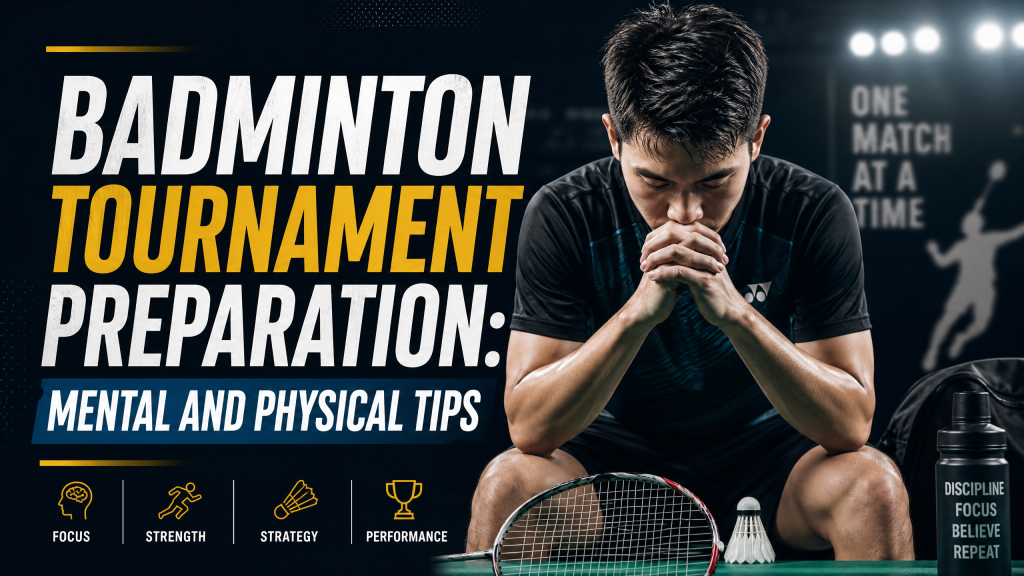
Badminton Tournament Preparation: Mental and Physical Tips
May
How to Prepare for a Badminton Tournament: Complete Guide for Peak Performance
Playing badminton in a tournament environment is completely different from casual club games. The rallies are faster, the pressure is higher, and the physical and mental demands increase significantly. Even skilled club players often struggle during their first competition because tournament badminton requires more than just good technique. Preparation, recovery, nutrition, mental control, and match management all become critical.
Whether you are entering your first local event or preparing for a high-level championship, proper preparation can dramatically improve your performance and confidence. The players who perform best under pressure are usually not the most talented athletes alone — they are the ones who prepare intelligently and consistently.
This guide covers everything badminton players need to know before, during, and after a tournament.
Why Tournament Preparation Matters
Many players underestimate how demanding tournament badminton can be.
Unlike casual club sessions, tournaments often involve:
- Multiple matches in one day
- Long waiting periods between games
- High emotional stress
- Limited recovery time
- Different court conditions
- Pressure from spectators and rankings
Without preparation, players may experience:
- Early fatigue
- Mental collapse under pressure
- Poor decision-making
- Cramping or dehydration
- Increased injury risk
Good preparation allows players to perform consistently even when nervous or physically tired.
Four Weeks Before the Tournament: Build Your Physical Base
The month leading up to a tournament should focus on improving overall conditioning and movement efficiency.
Increase Training Volume Slightly
This is the phase to improve endurance and movement quality, not to overtrain aggressively.
Focus on:
- Footwork consistency
- Rally endurance
- Recovery between points
- Core stability
Avoid sudden extreme increases in training intensity because injury risk rises significantly.
Cardiovascular Conditioning
Badminton requires repeated bursts of explosive movement combined with fast recovery.
Interval training works especially well.
Example session:
- 1 minute sprint
- 2 minutes light jog
- Repeat 6–10 rounds
This mimics badminton’s stop-start movement patterns better than long-distance running alone.
Strength Training Priorities
Badminton players benefit greatly from lower-body and core strength work.
Key exercises include:
- Squats
- Lunges
- Calf raises
- Planks
- Rotational core exercises
Strong legs improve:
- Court speed
- Jumping power
- Recovery movement
- Injury prevention
Core strength also improves balance during lunges and overhead shots.
Daily Footwork Drills
Footwork is one of the most important tournament skills.
Even 15 minutes of daily shadow footwork can improve:
- Court coverage
- Recovery speed
- Movement efficiency
- Endurance
Focus on:
- Split-step timing
- Six-corner movement
- Recovery balance
- Explosive first steps
Address Injuries Early
Do not ignore small injuries before tournaments.
Minor issues such as:
- Knee soreness
- Achilles tightness
- Shoulder discomfort
- Shin splints
can become serious under tournament stress.
Consulting a physiotherapist early is far better than risking long-term injury.
Learn Tournament Rules
Players should confirm:
- Shuttlecock brand and speed
- Scoring system
- Dress code
- Warm-up rules
- Coaching regulations
Unexpected rule confusion creates unnecessary stress on match day.
Two Weeks Before: Match Simulation Phase
This phase focuses on adapting your body and mind to real competition conditions.
Play Full Practice Matches
Instead of casual rallies, start playing:
- Full best-of-three matches
- Tournament scoring
- Competitive intensity
Practice under realistic pressure whenever possible.
Use Tournament Equipment
Train with:
- Your match racket
- Tournament string tension
- Tournament shoes
- Similar shuttlecock brand
Never arrive at a tournament using unfamiliar equipment for the first time.
Practice Pressure Situations
Many players train well but collapse under pressure.
Practice:
- Serving at 19–19
- Defending match points
- Maintaining focus after mistakes
Mental resilience improves through repeated exposure to pressure scenarios.
Record and Analyze Matches
Watching your own matches reveals weaknesses that are difficult to notice while playing.
Analyze:
- Footwork recovery
- Shot selection
- Defensive positioning
- Unforced errors
- Serve consistency
Video review is one of the fastest ways to improve tactical awareness.
One Week Before: Taper and Recovery
The final week before competition should prioritize freshness rather than heavy training.
Reduce Training Volume
Cut overall training volume by roughly:
- 50–60%
Maintain moderate intensity but reduce physical stress.
Avoid:
- Heavy weightlifting
- Exhausting matches
- Long cardio sessions
The goal is arriving fresh, explosive, and mentally sharp.
Prioritize Sleep
Sleep is one of the most important recovery tools available.
Aim for:
- At least 8 hours nightly
Poor sleep negatively affects:
- Reaction time
- Decision-making
- Recovery
- Mood
- Coordination
Hydration and Nutrition
Hydration should begin days before the tournament, not only on match day.
Focus on:
- Water intake
- Electrolytes
- Clean carbohydrates
- Balanced meals
Avoid excessive junk food or alcohol.
String Your Rackets Early
Do not restring rackets the night before competition.
Stringing several days earlier allows:
- Tension stabilization
- Time for testing
- Reduced risk of surprises
Always bring at least one backup racket.
Prepare Your Tournament Bag
Essentials include:
- Extra overgrips
- Towels
- Water bottles
- Snacks
- Athletic tape
- Extra socks
- Pain relief gel
- Insurance card
- Backup strings
- Shuttlecocks if required
Organization reduces stress significantly on tournament day.
The Day Before the Tournament
The final day should focus on light preparation and relaxation.
Keep Training Light
A short 30-minute session is enough.
Focus on:
- Shadow footwork
- Drives
- Light movement
- Timing drills
Avoid intense matches or hard conditioning.
Nutrition Strategy
Eat:
- Carb-focused lunch
- Lighter dinner
Good options include:
- Rice
- Pasta
- Oatmeal
- Bananas
Avoid overeating late at night.
Prepare Everything Early
Pack your bag fully before sleeping.
Set out:
- Clothing
- Shoes
- Tournament documents
- Water bottles
This prevents unnecessary stress in the morning.
Match Day Morning Routine
Wake Up Early
Wake up:
- 3–4 hours before your first match
This allows enough time for digestion and mental preparation.
Eat a Balanced Breakfast
Good options include:
- Oatmeal
- Bananas
- Eggs
- Toast
Avoid greasy or overly heavy meals.
Warm Up Before Arriving
Light movement before leaving home helps activate the body.
Include:
- Dynamic stretches
- Mobility work
- Light footwork
Arrive Early
Try to reach the venue:
- At least one hour before your match
This gives time for:
- Registration
- Court familiarization
- Relaxation
- Additional warm-up
Pre-Match Warm-Up
A proper badminton warm-up should include:
- Footwork
- Shadow swings
- Drives
- Clears
- Smashes
- Net shots
Warm-up gradually rather than immediately hitting full power.
Mental Strategies During Matches
Tournament pressure affects almost everyone.
The goal is not eliminating nerves completely but managing them effectively.
Focus Between Points
Develop a reset routine between rallies.
Examples:
- Deep breathing
- Wiping sweat
- Adjusting strings
- Touching the racket grip
These routines help reset focus and reduce emotional reactions.
Positive Self-Talk
After mistakes, avoid negative internal dialogue.
Simple phrases work best:
- “Next point”
- “Stay calm”
- “Move early”
- “Smooth”
Short mental cues maintain focus better than emotional reactions.
Avoid Scoreboard Obsession
Many players lose concentration by constantly thinking about:
- Match score
- Opponent ranking
- Tournament pressure
Focus only on the current rally.
Badminton matches often change momentum quickly.
Nutrition and Hydration During the Tournament
Energy management becomes critical during long events.
Best Tournament Snacks
Choose easy-to-digest carbohydrates such as:
- Bananas
- Rice cakes
- Granola bars
- Sports drinks
Avoid heavy meals between matches.
Electrolytes Matter
Long matches cause significant sweating.
Electrolyte drinks help maintain:
- Muscle function
- Hydration balance
- Energy levels
Water alone is sometimes insufficient during intense tournaments.
Caffeine Usage
Small caffeine amounts can improve alertness, but excessive caffeine may increase anxiety and dehydration.
Moderation is important.
Injury Prevention During Competition
Tournament environments increase injury risk because players push harder physically and mentally.
Important Prevention Tips
- Warm up thoroughly
- Tape weak joints
- Wear proper shoes
- Stretch after matches
- Monitor pain carefully
Stop immediately if you experience sharp or unusual pain.
Ignoring injuries during competition can create long-term problems.
Common Tournament Mistakes
Many players sabotage themselves through avoidable mistakes.
Common errors include:
- Overtraining before the event
- Changing equipment last minute
- Under-eating during competition
- Forgetting backup gear
- Arguing with officials
- Focusing too much on opponent reputation
Staying calm and prepared gives a huge advantage.
After the Tournament
Improvement continues after the event ends.
Cool Down Properly
After your final match:
- Walk lightly
- Stretch
- Rehydrate
- Eat recovery food
This helps reduce soreness and speed recovery.
Analyze Your Performance
Write down:
- What worked well
- What failed
- Tactical mistakes
- Mental weaknesses
- Physical limitations
Tournament reflection is extremely valuable for long-term growth.
Take a Short Recovery Break
Most players benefit from:
- Several days away from intense badminton
Mental recovery is just as important as physical recovery.
Final Thoughts
Tournament badminton is a unique challenge that tests physical fitness, technical skill, tactical awareness, and mental toughness simultaneously. Players who prepare properly gain a massive advantage before stepping onto the court.
Success in tournaments is rarely about perfection. It is about consistency, composure, and the ability to manage pressure effectively. Build good habits in training, prepare your body carefully, trust your preparation, and focus on one point at a time.
Whether you win or lose, every tournament provides valuable experience that helps you become a stronger and smarter badminton player in the future.
